

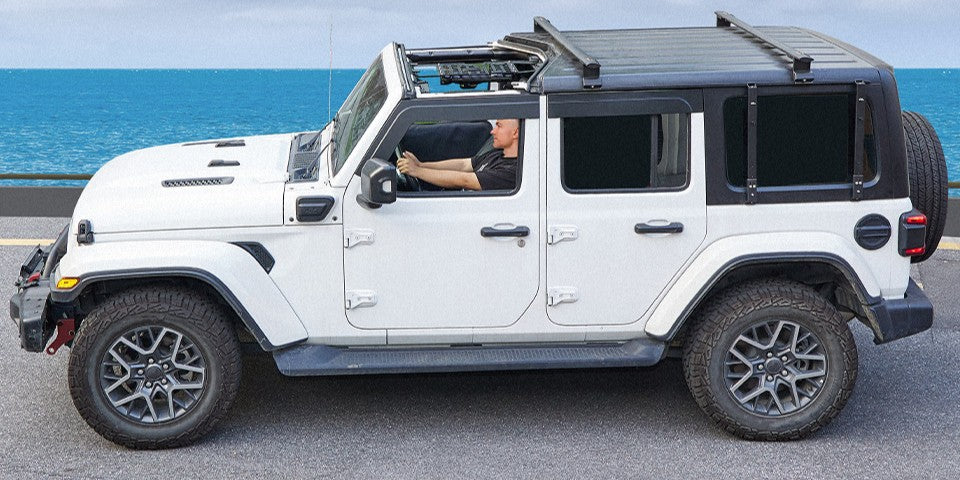
Overlanding is having a moment. It is clear that off-highway vehicle recreation and vehicle-based camping continue to grow faster than nearly every other outdoor activity category in North America. More drivers are swapping hotel reservations for remote campsites, trading paved roads for fire trails, and discovering that the journey itself is just as rewarding as the destination. The pickup truck has become the go-to platform for this lifestyle. It is tough, spacious, and comfortable enough for long drives, yet capable enough to handle rough terrain when you finally leave the highway behind.
The problem most first-timers run into is simple: a stock truck is not an overland truck. The bed is empty, there is nowhere to sleep comfortably, and the first time you need to find your headlamp at midnight, everything falls out of an unsecured bag. Turning your truck into a reliable base camp takes some planning, the right truck camping essentials, and a clear order of operations.
If you are planning to join this circle, you need some preparation. Here is what this guide covers:
- How to inspect and prepare your truck before loading any gear
- Choosing the right sleeping setup for truck bed camping
- Adding shelter and shade that actually works at camp
- Organizing cargo so your overland gear is always where you need it
- Packing the safety and recovery items that matter most in the backcountry
What Is Overlanding, and Why Is Your Stock Truck Not Quite Ready?
Overlanding is vehicle-supported travel to remote destinations where the journey takes priority over any specific endpoint. Unlike a weekend campground trip, overlanding often means days or weeks without access to stores, fuel stations, or cell service. Self-reliance is the whole point.
Most stock pickup trucks are built for the road. They handle highway miles well, and they haul gear from point A to point B without complaint. But when you park at a trailhead and plan to sleep, cook, and live out of that truck for three or four nights, the gaps become obvious fast. There is no comfortable sleeping surface, no dedicated kitchen space, no organized storage, and often no extra power for charging devices. Building an overland truck is the process of closing those gaps, one upgrade at a time.
After knowing this basic information, let’s start to take some action step by step!
Step 1: Check Your Truck Before You Load Any Overland Gear
Every solid overland build starts with a mechanically sound base. Adding expensive gear to a truck with worn tires or a weak battery is setting yourself up for problems on the trail.
Tires, Suspension, and Ground Clearance
Your tires are the most critical contact point between your truck and the terrain. For overlanding on mixed surfaces, all-terrain tires offer a good balance between off-road grip and on-road comfort. Check tread depth before any trip, and always carry a plug kit, a portable compressor, and a full-size spare. If your truck sits low or the suspension is worn, a modest lift and new shocks make a real difference in both clearance and ride quality on rough trails.
Battery and Electrical Systems
Running a portable fridge, charging devices, and powering a portable air compressor all pull from your truck's electrical system. A dual-battery setup or a portable lithium power station keeps your accessories running without risking a dead starting battery. Check your alternator output and battery age before your first long trip out.
Step 2: Build Your Truck Camping Sleep Setup
After your truck is mechanically ready, sleep quality becomes the next priority. A bad night in the backcountry affects everything the next day, from your energy on the trail to your decision-making in tricky situations.
Truck Bed Tents vs. Rooftop Tents
Two main options dominate truck camping: truck bed tents and rooftop tents. Each has a different use case.
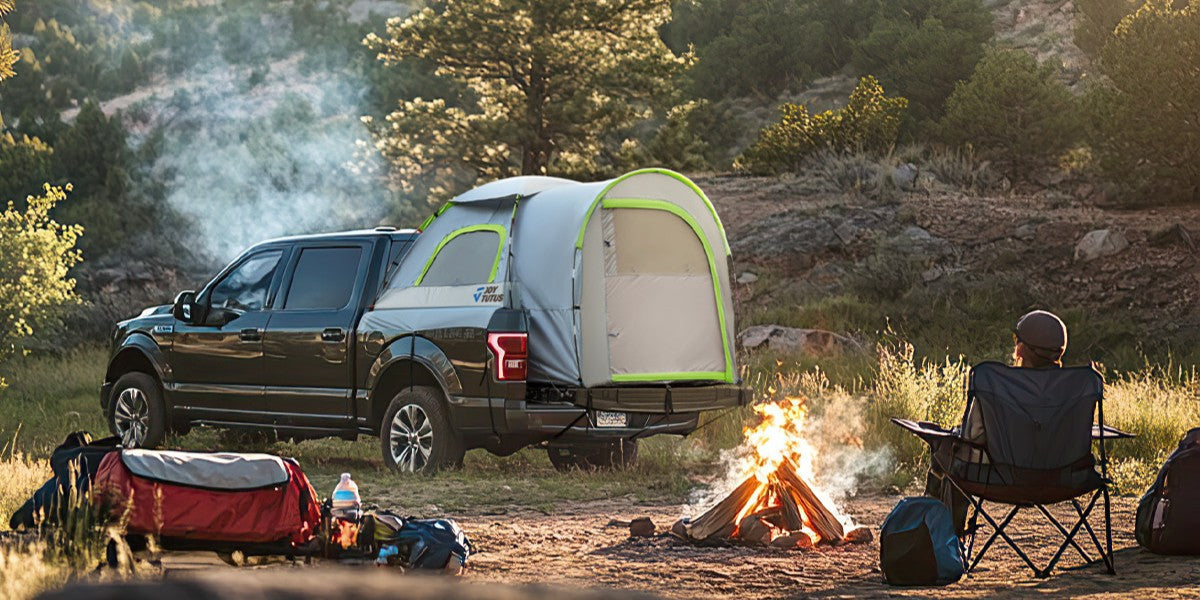
Truck bed tents mount directly over your truck bed, converting it into a sheltered sleeping area without needing any permanent modifications. Our JOYTUTUS Truck Bed Tent is built with PU2000mm waterproof double-layer construction and is designed specifically for pickup truck beds. It sets up in minutes and packs down small enough to leave in the bed when not in use.
Rooftop tents mount to a roof rack and keep you elevated off the ground, which matters in areas with insects, uneven terrain, or standing water. JOYTUTUS Overland Hard Shell Aluminum Rooftop Tent includes a built-in LED light, a skyview window, and sleeps two to three people. Hard shell models open and close in under a minute, making them a favorite for overlanders who move campsites frequently.

Air Mattresses Designed for Truck Beds
If you prefer to sleep inside the bed, a truck-specific air mattress makes a substantial difference in comfort. Generic camping mattresses do not account for wheel wells and leave awkward gaps. JOYTUTUS Truck Bed Air Mattress is designed with a cavity that fits around the wheel wells, giving you a flat, usable sleeping surface across the full width of the bed. It includes a built-in pump, a flocked top layer for comfort, and collapses into a carry bag that stores easily. After a long time truck overlanding, good relaxation can help you refresh your energy. Browse the full range of JOYTUTUS car camping accessories to find the right mattress for your truck size.

Step 3: Add Shelter, Shade, and a Campsite You Can Live In
A great overland setup extends beyond the truck itself. Once you stop for the night, you need space to cook, sit, and move around without standing in direct sun or rain.
A vehicle-mounted awning is one of the most practical additions you can make to an overland truck. It attaches to your roof rack or side rail and deploys in minutes, creating a covered outdoor living area beside your rig. JOYTUTUS Overland Vehicle Awning with 3 Removable Panels provides a generous covered footprint with sidewall panels that can close off the space for wind or rain protection. The UV50+ rated fabric handles sun exposure well, and the whole unit rolls up tightly when you pack up camp.

Step 4: Organize Your Cargo Like a Pro
Disorganized gear is one of the most common frustrations in truck camping. You know everything is in the truck, but finding it when you need it is another problem entirely.
Roof Racks and Hitch Cargo Carriers
Vertical space is your best friend in a truck build. A roof rack lets you move bulkier, less-frequently-used items off the bed floor and onto the top of the cab, freeing up the bed for sleeping gear, food storage, and recovery equipment. Hitch-mounted cargo carriers serve a similar purpose at the rear of the vehicle, adding usable platform space without affecting your bed setup.
Pairing a bed rack with a hitch carrier gives you a multi-layer storage system that keeps your most-used gear within arm's reach and your bulkier equipment secured up top.
Inside the bed, modular storage bins, lockable drawers, and clear containers help keep specific gear categories separate. Label everything. A simple system where "kitchen," "recovery," and "shelter" gear each have a dedicated bin turns a 10-minute midnight search into a 30-second reach.

Step 5: Pack Your Truck Camping Essentials for Safety and Self-Reliance
Overlanding means being your own roadside assistance. The backcountry does not have tow trucks, and cell service is often nonexistent. Your safety kit is not optional.
Every overland truck should carry the following before leaving pavement (you can make a checklist like this so every overlanding preparation can be clear):
- Recovery gear: A kinetic recovery strap, traction boards, and a hi-lift jack cover most stuck scenarios without needing a winch
- Tire repair kit: A plug kit, portable air compressor, and tire pressure gauge are non-negotiable on rough roads
- Navigation: A downloaded offline map, a paper map of your region, and a GPS device as backup to your phone
- Communication: A satellite communicator allows two-way messaging and SOS capability where phones have no signal
- First aid: A comprehensive kit that goes beyond basic bandages, including wound care supplies, blister treatment, and any personal medications
- Fire safety: A compact fire extinguisher stored in an accessible location inside the cab or bed
- Water: Plan for at least two gallons per person per day; carry more than you think you need
- Fuel: Jerry cans extend your range significantly in areas where gas stations are hours apart
Quick Gear Comparison: Budget vs. Mid-Range vs. Premium Overland Setups
Here is a practical overview of how a truck camping build scales across different budgets:
|
Category |
Budget Setup |
Mid-Range Setup |
Premium Setup |
|
Sleep |
Basic sleeping bag on foam pad |
Truck bed air mattress with pump |
Hard shell rooftop tent with LED |
|
Shelter |
Tarp on poles |
Truck bed tent (waterproof) |
Full vehicle awning with side panels |
|
Storage |
Rubbermaid bins |
Bed organizer system |
Modular drawer system with locking |
|
Cargo |
Existing roof rails |
Aftermarket bed rack |
Full roof rack plus hitch cargo platform |
|
Power |
Portable battery bank |
Dual battery with 12V outlets |
Dual battery plus solar panel array |
Start with the budget column if you are new to overlanding. You can add to it trip by trip as you learn what matters most for the terrain and duration you prefer. Buying everything at once often leads to gear you never use.
Final Thoughts
The best overland truck is the one that fits your travel style. Some people want a minimal setup they can deploy in twenty minutes. Others want a fully outfitted rig with every comfort dialed in. Both approaches are valid, and both start with the same foundation: a mechanically sound truck, a comfortable sleep setup, dependable shelter, organized storage, and solid safety gear.
JOYTUTUS builds automotive travel products designed around real-world use — from waterproof truck bed tents and air mattresses to roof rack systems and overland awnings. Whether you are outfitting your first truck or upgrading an existing build, the goal is the same: more time enjoying where you are and less time dealing with gear that does not work. Get the essentials right, and the rest of the adventure takes care of itself.

Leave a comment
All comments are moderated before being published.
This site is protected by hCaptcha and the hCaptcha Privacy Policy and Terms of Service apply.