

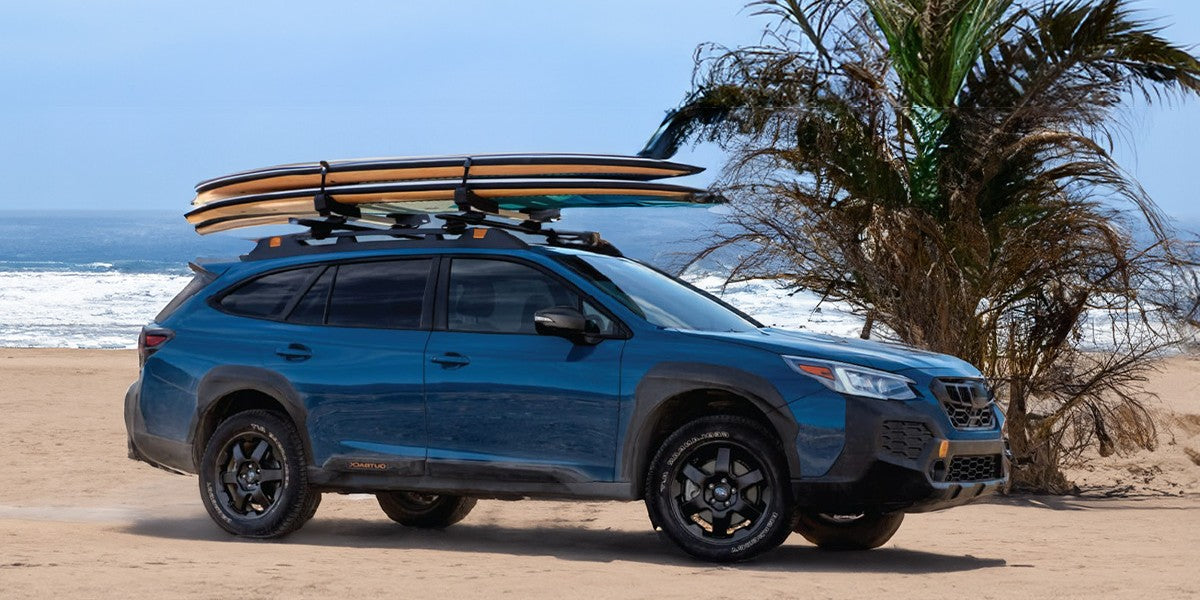
If you have ever tried to pack a cooler, a bike, and camping gear into one car, you already know why so many drivers add a roof rack. A roof rack gives your vehicle extra carrying space on top, so the trunk and back seat stay free for everyday items. Industry research on outdoor recreation shows aftermarket roof rack installations have climbed steadily as more drivers take up overlanding and vehicle based camping.
This guide explains what a roof rack is, how it compares to roof rails and cross bars, the main types available, and how to pick the right car roof rack for your vehicle.
Here is what this guide covers:
- What a roof rack is and how a roof rack system is built
- The difference between roof racks, roof rails, and cross bars
- The benefits and everyday uses of a roof rack
- The main types of roof racks and which one fits your lifestyle
- How to choose the right roof rack for car use
- How much weight a roof rack can safely hold
- An installation checklist and common mistakes to avoid
What Is a Roof Rack?
Before comparing styles, it helps to know what a roof rack is made of.
A roof rack is a set of bars, or a flat platform, mounted on top of a vehicle to carry cargo that does not fit inside the car. Most car roof racks are built from three basic parts:
- Crossbars, the bars that span the roof and actually hold the load
- Feet or towers, the pieces that attach the bars to the roof
- A fit kit, the hardware that matches the rack to your specific vehicle and roof style
Once mounted, the roof rack becomes a stable base for accessories, from cargo boxes to kayak saddles and rooftop tents. If you are starting from scratch, Joytutus roof rack cross bars give you that base, built to work with a wide range of vehicles.
Roof Rack vs. Roof Rails vs. Cross Bars
These terms get mixed up often, but they describe different parts of one system.
|
Feature |
Roof Rails |
Cross Bars |
Full Roof Rack System |
|
What it is |
Two bars running front to back along the roof edges |
Bars running side to side, usually attached to rails or roof points |
The complete setup: rails or feet, cross bars, and fit kit together |
|
Where it comes from |
Often factory installed on SUVs and wagons |
Added afterward, either aftermarket or factory optional |
Can be fully factory installed or built from aftermarket parts |
|
Can you load cargo directly? |
Rarely on its own, rails alone are not a stable load point |
Yes, cross bars are the actual load bearing surface |
Yes, this is the finished, ready to load setup |
|
Typical next step |
Add cross bars to make it usable |
Add accessories like boxes or bike mounts |
Add accessories, the system is already complete |
In short, roof rails are the foundation, cross bars are the load surface, and a roof rack system is both combined with a fit kit for your specific car.
Benefits and Common Uses of Roof Racks
A roof rack solves a simple problem: not enough room inside the car for everything you want to bring.
Common benefits include:
- More cargo space without giving up legroom or trunk space
- A place to carry bulky or dirty gear, such as bikes, kayaks, and coolers, away from passengers
- Compatibility with specialized carriers for skis, luggage boxes, and rooftop tents
- Better weight distribution across the roof instead of piling everything into the trunk
- A practical upgrade for road trips, camping, and hauling errands like lumber or moving boxes
Drivers who bike, kayak, ski, or camp regularly get the most use out of a roof rack, but even occasional road trippers benefit from the extra room.
Main Types of Roof Racks and Their Best Use Cases
Not every roof rack is built the same, and the right style depends on how you plan to use it.
|
Roof Rack Type |
Best For |
Notes |
|
Low profile aerodynamic bars |
Daily drivers who want quiet highway trips |
Reduces wind noise, works well with most light to medium accessories |
|
Heavy duty square or round bars |
Frequent haulers carrying bikes, boxes, or ladders |
Higher strength, often more affordable, slightly louder at speed |
|
Roof platforms or baskets |
Overlanders and campers with bulky, mixed gear |
Flat surface fits awkward shapes like coolers, jerry cans, and traction boards |
|
Factory installed racks |
Owners who want a clean, integrated look |
Convenient, but upgrade options can be limited |
|
Track or T-slot mounted racks |
Drivers who swap accessories often |
Sliding mounts make it easy to reposition bike or water sport carriers |
How to Choose the Right Roof Rack
Picking a roof rack is not just about price. A few practical factors decide whether a rack fits your car and holds up over time.
Vehicle Compatibility
Not every rack fits every car, so this is the first thing to check. Roof rack systems are built around a vehicle's exact roof shape and mounting points, so confirm the rack is listed for your make, model, and year.
Roof Type
Your car's roof style determines which mounting hardware you need. Common roof types include bare roofs, raised or flush side rails, fixed mounting points, and factory installed cross bars, and each needs a different fit kit.
Intended Use
What you plan to carry should guide the rack you buy. A rack for the occasional roof box does not need to be as heavy duty as one supporting a rooftop tent every weekend.
Weight Capacity
Every roof rack has a rated weight limit set by the manufacturer, and it is one of the most important numbers to check. This rating shows how much cargo the rack itself is built to carry, separate from what your vehicle's roof can support.

Dynamic vs. Static Weight Capacity
These two numbers are often confused, but they mean different things. Dynamic capacity is the maximum load a rack can carry while the vehicle is moving, accounting for braking and road vibration. Static capacity applies only when the vehicle is parked, such as when a rooftop tent is occupied overnight, and is usually much higher than the dynamic rating.
Materials
The material a rack is made from affects strength and weight. Aluminum bars are lighter and resist corrosion, while steel racks are heavier but often more affordable and extremely strong. Both are common in quality roof rack systems, so the choice comes down to weight, budget, and durability.
Wind Noise and Fuel Economy
A roof rack changes how air moves over your car, affecting noise and fuel use. Bulkier bars and platforms create more wind noise and drag than low profile designs, so frequent highway drivers may prefer a streamlined bar.
Accessory Compatibility
A roof rack is only as useful as the accessories it can carry. Confirm the rack works with the carriers you want, since some sleek, integrated racks are not compatible with rooftop tents or larger cargo boxes.
To make this easier, here is a quick way to match your gear to a rack style:
|
What You Plan to Carry |
Recommended Rack Type |
Accessory to Pair With It |
|
Bikes for weekend rides |
Aerodynamic or square bars |
A dedicated bike rack mount |
|
Kayaks, canoes, or paddleboards |
Sturdy square bars or a platform |
Saddle mounts with tie down straps |
|
Camping and overlanding gear |
Roof platform or basket |
Cargo bags, jerry can mounts |
|
Skis and snowboards |
Low profile bars |
A dedicated ski and snowboard carrier |
|
Occasional luggage or moving boxes |
Any standard cross bar |
A rooftop cargo box |
How Much Weight Can a Roof Rack Hold?
This is a common question, and there is no single number that applies to every car.
Two limits matter, and both must be respected at once:
- The rack's rated capacity, set by the manufacturer based on the bars, feet, and mounting hardware
- Your vehicle's roof load limit, set by the automaker based on the strength of the roof itself
Whichever number is lower is your real limit. A rack rated to carry a large load will not help if your car's roof was only engineered for less. Your owner's manual lists the roof load rating, and the rack's product page lists its own rated capacity. Always check both figures for your exact vehicle and rack combination before loading up.
Roof Rack Installation Checklist
A roof rack is not difficult to install, but skipping steps can lead to a rack that shifts on the road.
- Confirm the rack and fit kit match your exact vehicle make, model, and year
- Clean the roof surface where the feet or rails will sit
- Position the crossbars per the manufacturer's spacing guide
- Tighten mounting hardware evenly on both sides
- Check that locks, if included, are engaged
- Load a test item, drive a short distance, then recheck all hardware
- Recheck bolts and straps periodically, especially after long trips

Common Mistakes to Avoid
A few avoidable errors cause most of the roof rack problems drivers run into.
- Buying a universal rack without confirming it fits your specific roof type
- Ignoring the vehicle's roof load limit and only checking the rack's rating
- Mixing up dynamic and static weight capacity when planning a loaded trip
- Skipping periodic hardware checks after the first installation
- Overloading one side of the rack instead of balancing weight evenly
- Choosing accessories that are not actually compatible with the rack style
Do You Need a Roof Rack?
Not every driver needs one, but plenty of everyday situations make a strong case for it.
If you regularly run out of trunk space, carry bikes or water sports gear, or want to get into camping and overlanding, a roof rack solves that directly. If your car rarely carries more than groceries and a gym bag, you may not need one right away. For most active drivers, a roof rack pays for itself the first time it saves a trip in two cars.
Conclusion
A roof rack is one of the simplest upgrades that makes a real difference in how much your car can carry. Once you understand the difference between roof rails, cross bars, and a full roof rack system, choosing the right setup comes down to matching your vehicle's roof type, your intended use, and the weight limits of both your car and the rack itself. Whether you need a basic set of cross bars for a cargo box or a heavy-duty platform for overlanding trips, there is a roof rack built for the job. Explore Joytutus roof racks and bike rack options to find a system that fits your vehicle, or browse the full Joytutus lineup of travel accessories before your next trip.
FAQs
Q1: Do I need roof rails before adding a roof rack?
A: Not always. Some vehicles use roof rails, while others use fixed mounting points or door frame clips instead. Check your roof type before shopping.
Q2: Can I put a roof rack on a car that never had one?
A: Often, yes. Bare roof fit kits exist for vehicles without factory rails, though compatibility still depends on your specific car model.
Q3: Will a roof rack hurt my gas mileage?
A: It can slightly reduce fuel economy from added wind resistance. Low profile, aerodynamic bars minimize this effect compared to bulkier racks or platforms.
Q4: How do I know if my roof rack is installed correctly?
A: Check that all hardware is tight, the rack does not wobble when pushed, and any locks are engaged.
Q5: Can I leave my roof rack on all the time?
A: Yes, most roof rack systems are built for long term use. Remove accessories you are not using, since empty mounts add wind noise and drag.

Leave a comment
All comments are moderated before being published.
This site is protected by hCaptcha and the hCaptcha Privacy Policy and Terms of Service apply.