

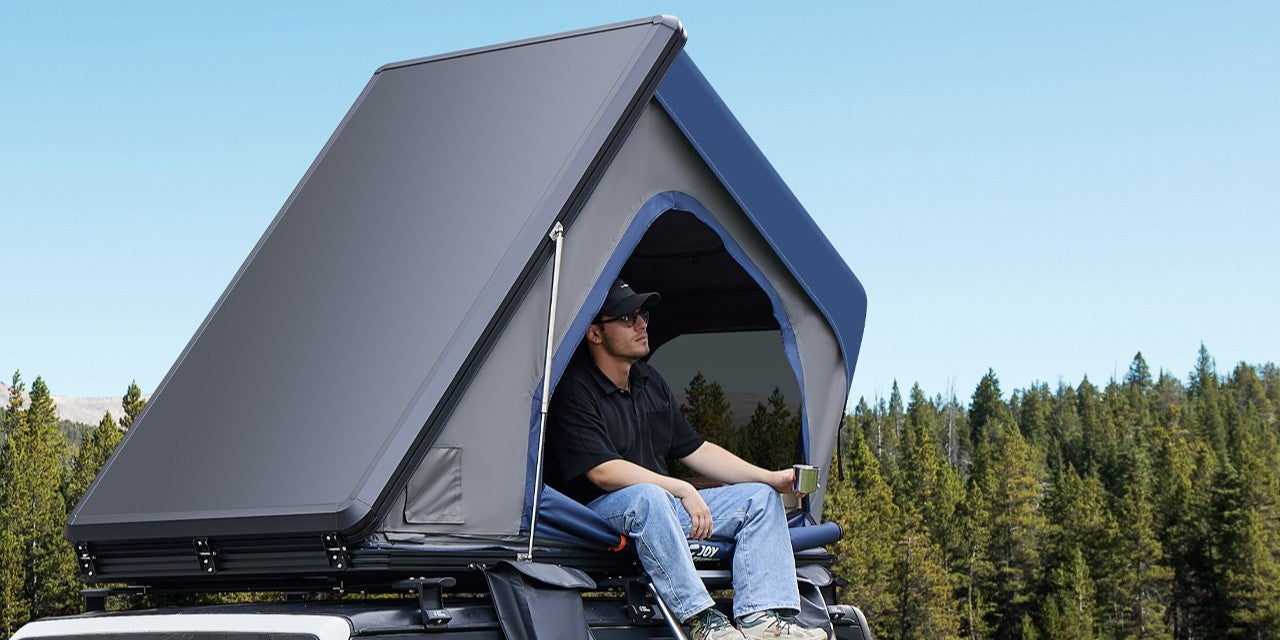
Rooftop camping has moved from a niche hobby into one of the fastest-growing ways Americans spend a weekend outdoors. Recent industry data shows the U.S. rooftop tent market now accounts for roughly a third of global demand, and hard shell designs have pulled ahead as the preferred style, with nearly half of buyers choosing one over a soft shell setup. That shift is largely driven by SUV owners who want a shelter that sets up fast, packs away clean, and holds up to changing weather without adding a second job to the trip.
If you are shopping for a rooftop tent for your SUV, the first real decision is not which brand to buy. It is which shell type fits how you actually camp: a soft shell rooftop tent with more room to stretch out, or a hard shell rooftop tent built for speed and durability. Below is what you need to know before you decide.
Here is what this guide covers:
- What separates a rigid shell design from a soft shell model
- A side by side comparison of setup time, weight, space, and price
- Who each tent style actually works best for
- Our top pick for SUV owners who want a hard shell roof top tent
What Is a Soft/Hard Shell Rooftop Tent?
Before comparing the two styles side by side, it helps to know exactly what each one is built from and how it works on top of your SUV.
Hard Shell Roof Tent Basics
This style uses a rigid top and bottom shell, usually made from aluminum, ABS plastic, or fiberglass, with the fabric tent body folded inside. Gas struts or hinges lift the lid, and the interior unfolds or pops up in the process. Because the shell protects the fabric when closed, this design suits campers who move often and want a shelter that survives years of wind, rain, and sun without extra care.
Soft Shell Rooftop Tent Basics
A soft shell rooftop tent relies on a fabric body supported by a frame and folding poles, usually stored inside a weatherproof cover on your roof rack. You unfold it by hand or with a ladder assist, then use poles to prop up the walls and roof. Soft shells trade some setup speed for a larger footprint and a lower price tag, which is why they remain popular with families and first time buyers.

Hard Shell Roof Top Tent vs Soft Shell: Key Differences
The easiest way to compare the two is to line them up across the factors that matter most to everyday campers: time, space, weight, and cost.
|
Factor |
Hard Shell Rooftop Tent |
Soft Shell Rooftop Tent |
|
Setup time |
Under a minute in most cases |
About 5 to 8 minutes |
|
Interior space |
Best for 2 to 3 people |
Wide range, up to 5 or 6 people |
|
Closed height |
Lower and more aerodynamic |
Slightly bulkier when packed |
|
Weather protection |
Strong wind and rain resistance |
Good, but more fabric noise in storms |
|
Weight |
Heavier shell, but often better balanced |
Generally lighter overall |
|
Price |
Higher upfront cost |
More budget-friendly |
Both styles mount to a roof rack, get you off the ground, and turn your SUV into a real base camp. The right one depends on your group size, how often you relocate camp, and what you are willing to spend.
Why Campers Choose a Hard Shell Rooftop Tent
For a lot of SUV owners, convenience decides the purchase. This shell style is built around one idea: less time setting up, more time outside.
Reasons SUV owners lean toward this design:
- Fast setup and pack down. Most rigid shell models open in seconds and close just as quickly, which matters if you are pulling into camp after dark or moving to a new spot every night.
- Sturdier in bad weather. The rigid shell resists flapping and holds its shape in strong wind, and it keeps rain noise down compared to fabric roofs.
- Better insulation. A solid shell traps heat more effectively, which helps on cold nights when a soft fabric roof would let warmth escape faster.
- Cleaner profile while driving. A lower, more compact closed shape can reduce wind noise and drag compared to a bulkier folded soft shell.
- Pack it down with bedding inside. Many rigid shell models let you leave your mattress and sleeping bag in place when you close the lid, so there is no repacking each morning.
This combination of speed and durability is exactly why the rigid shell style now leads in buyer preference among rooftop tent shoppers, especially those who camp in a rotation of short stops rather than staying in one spot for a week.
Why Campers Choose a Soft Shell Rooftop Tent
Soft shell tents still make sense for a large share of campers, particularly families and anyone shopping on a tighter budget.
- Lower price point. Soft shell tents typically cost less than a comparable hard shell model, which matters if this is your first rooftop tent.
- More room to spread out. Soft shells come in a wider range of sizes, including larger models built for four to six people.
- Star gazing windows. Many soft shell designs include a zip open mesh panel on the roof for night sky views, a feature that is harder to build into a rigid shell.
- Lighter to lift. Without a heavy shell, soft models are often easier for one person to mount solo.
If you camp with a full family, stay in one location for several nights, or are buying your first rooftop tent on a budget, a soft shell design is worth serious consideration.
Which Rooftop Tent Hard Shell Setup Fits Your SUV?
Matching the tent to your travel style is more useful than comparing specs in a vacuum. Ask yourself a few honest questions before you buy.
If you move camp often, travel solo or as a couple, and want the shortest possible setup routine, the rigid shell style is the stronger match. If you camp with a larger group, plan to stay put for multiple nights, and want to keep your budget lower, a soft shell tent will likely serve you better. Your SUV's roof rack weight rating also plays a role, so check your vehicle's load limits before choosing either style.
Our Top Pick: JOYTUTUS Hard Shell Aluminum Rooftop Tent
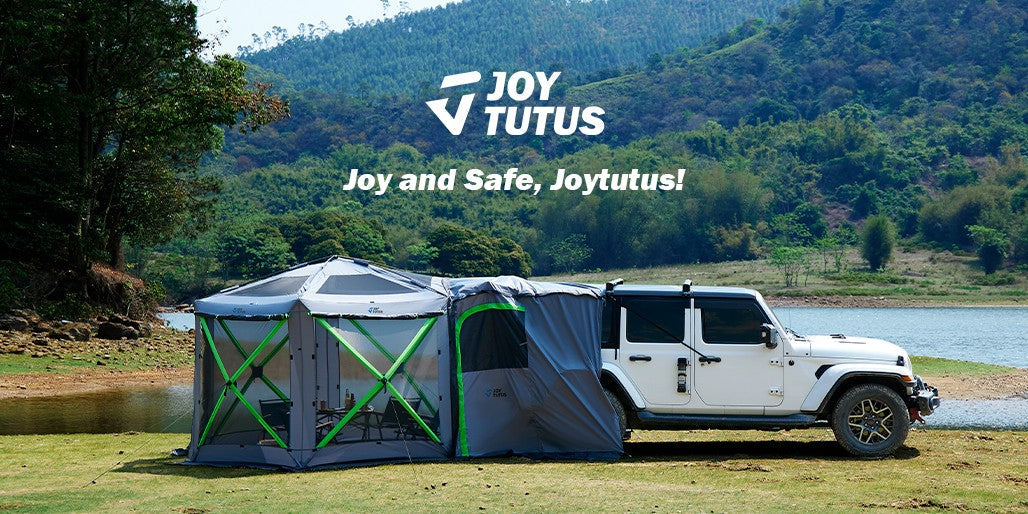
At JOYTUTUS, our mission is to help customers travel with more joy and stay safe along the way, and our lineup of SUV tents and rooftop and ground tent options is built around that goal. For SUV owners who want the speed and durability that a rigid shell offers, our Hard Shell Aluminum Rooftop Tent for 2 to 3 People with LED and Skyview is our top recommendation.
This model is built from aircraft grade aluminum alloy, so it resists the aging and warping that lower grade materials suffer over time. A one touch opening and closing system lets you set up or pack away in under a minute, and a trapezoidal shell design adds roughly 30 percent more usable interior space compared to standard rooftop tents of the same footprint. Inside, a 2 inch sponge mattress paired with a 0.3 inch condensation pad keeps you off the cold shell floor and reduces moisture buildup overnight. A panoramic mesh roof section doubles as a star viewing window and improves airflow, while a built-in LED light strip makes late-night setup and reading in the tent easier. Three mesh windows round out the ventilation so you can enjoy fresh air outside.

If you are still exploring which shelter fits your rig, our guides to SUV tent options and SUV rooftop tents walk through more choices, and our full breakdown of car camping tent options compares rooftop, truck bed, and tailgate tent styles side by side.
Conclusion
There is no single winner in the hard shell versus soft shell debate. The rigid shell style earns its higher price with faster setup, stronger weather resistance, and a lower profile on the road, making it the better fit for couples and frequent movers. A soft shell rooftop tent trades some of that speed for more interior space and a friendlier price, which suits families and first time buyers. Match the tent to your group size, your travel pace, and your budget, and either style will turn your SUV into a comfortable base camp. For campers who want the quickest path from parked to asleep, the JOYTUTUS aluminum rooftop tent is a dependable place to start.
FAQs
Q1: Is a hard shell rooftop tent worth the extra cost?
A: For most frequent campers, yes. The faster setup, added durability, and better weather resistance of this style tend to pay off over years of use, especially if you camp often or move locations regularly.
Q2: Can one person set up a hard shell roof tent alone?
A: In most cases, yes. Many rigid shell models, including the JOYTUTUS tent, use a one touch or gas strut system that a single person can open and close without help.
Q3: Will a hard shell rooftop tent fit any SUV?
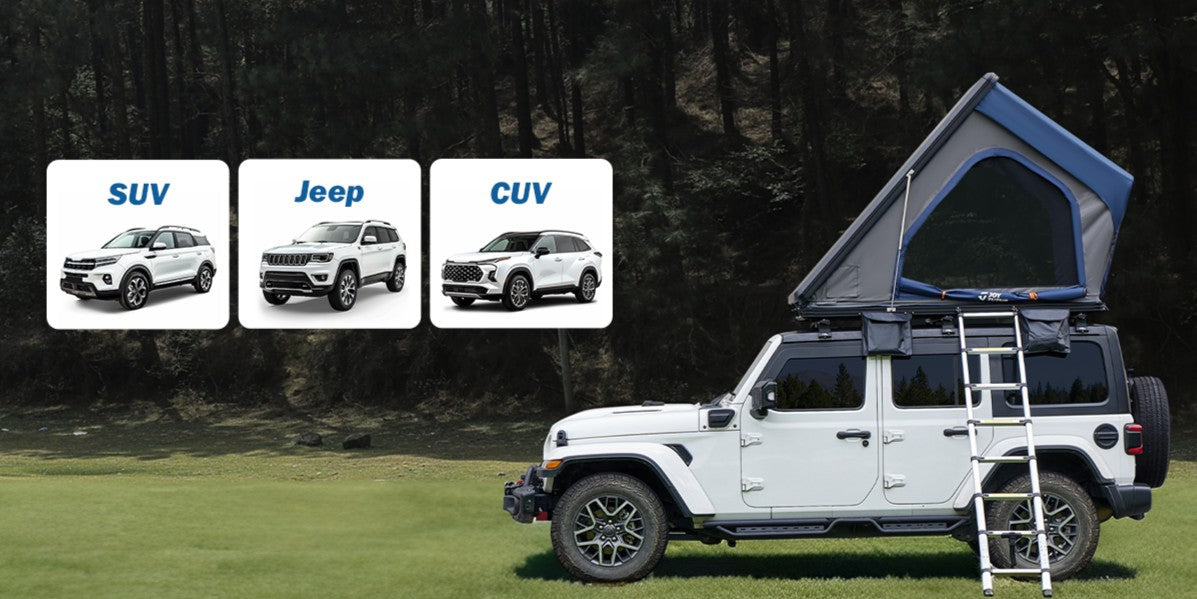
A: Most rigid shell models are designed to mount on a standard crossbar roof rack, but you should always check your SUV's dynamic roof load rating before installing one, since the combined weight of the tent and passengers needs to stay within your vehicle's limits.
Q4: Does a hard shell tent affect gas mileage?
A: Any rooftop tent adds some wind resistance, but the difference between the two shell styles is generally small in daily driving. Removing the tent when you are not camping is the best way to avoid any long term mileage impact.

Leave a comment
All comments are moderated before being published.
This site is protected by hCaptcha and the hCaptcha Privacy Policy and Terms of Service apply.