

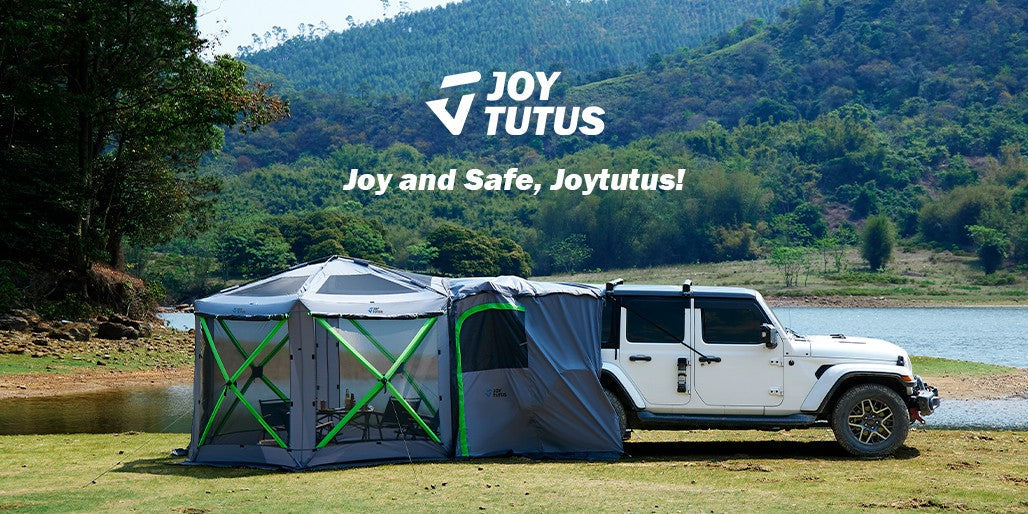
SUV camping has kept climbing every year, and 2026 gear trends show the same pattern: more people are turning their SUV, crossover, or minivan into a basecamp instead of hauling a separate ground tent. Part of that shift comes down to speed. Nobody wants to spend twenty minutes threading poles in the dark after a long drive, which is exactly why the pop up SUV tent has become one of the most searched styles among first-time car campers.
A pop up SUV tent is built around a spring-loaded frame that opens almost on its own, cutting setup time down to a few minutes instead of a battle with stakes and poles. But not every pop up tent for car camping works the same way, and picking the wrong size or build can still leave you with a frustrating first night. This article breaks down what you actually need to know before buying one.
Here is what this guide covers:
- What a pop up SUV tent is and how the frame actually works
- The real benefits of choosing a pop up car tent over other styles
- How an SUV pop up tent compares to tailgate, roof, and standalone designs
- A simple process for choosing and setting up the right tent for your vehicle
- A practical packing list for your next SUV camping trip
What Is a Pop Up SUV Tent and How Does It Work?
Before comparing options, it helps to understand what actually makes a tent "pop up" instead of a regular pole-based design.
A pop up SUV tent uses pre-bent, flexible poles that are sewn into the tent fabric under tension. When you release the tent from its carry bag, the poles spring outward and pull the fabric into shape on their own, so there is little to no manual assembly. Some designs attach directly to the rear hatch, similar to a tailgate tent, while others are freestanding and simply parked next to the vehicle. Either way, the frame mechanism is what defines the category, not the mounting style.
This is different from an automatic instant tent, which uses a one-touch folding mechanism, or an inflatable tent, which relies on an air pump instead of poles. An SUV pop up tent sits between these two in terms of price and effort, offering most of the speed without the extra cost of pump hardware or push-button frames.

Key Benefits of a Pop Up SUV Tent
Speed is the headline feature, but it is not the only reason campers choose this style over a traditional tent.
- Fast setup: most pop up designs are ready in two to five minutes, which matters if you arrive at a campsite after dark or in bad weather.
- Simple takedown: folding a pop up car tent back into its carry bag usually takes less time than setting up a pole tent in the first place, since there is no disassembly involved.
- Fewer lost parts: because the poles are built into the fabric, there is nothing small to misplace at the campsite, unlike loose tent poles or stakes.
- Good for beginners: this style does not require any tent-pitching experience, which makes it a low-stress option for a first trip.
- Flexible use: many pop up SUV tents can stand alone or connect to the vehicle, so you are not locked into one parking setup.
The trade-off is durability in high wind. Spring-loaded poles are lighter than aluminum tailgate frames, so a pop up SUV tent is usually a better match for calm weather car camping than for exposed, high-wind overlanding sites.
Pop Up SUV Tent vs. Other SUV Tent Types
Once you understand how a pop up tent works, it helps to see how it stacks up against the other common styles on the market.
|
Tent Type |
How It Opens |
Setup Time |
Best For |
|
Pop up SUV tent |
Spring-loaded poles |
≈ 2 to 5 minutes |
Quick weekend trips, beginners |
|
Regular tailgate tent |
Manual pole assembly |
≈ 10 to 20 minutes |
Budget buyers, first-time campers |
|
Inflatable SUV tent |
Air pump |
≈ 5 to 15 minutes |
Solo setup, low-light arrivals |
|
Automatic instant tent |
One-touch mechanism |
≈ 1 to 5 minutes |
Campers who prioritize speed |
|
Roof tent |
Folds out on top of the vehicle |
≈ 5 to 15 minutes |
Overlanding, uneven ground |
A pop up SUV tent generally costs less than an automatic instant or roof design, since the frame is simpler to manufacture. It also packs down smaller than most tailgate tents, which is useful if trunk space is already tight with coolers and gear. If you want to compare every style side by side, JOYTUTUS's full car camping tent options guide and SUV tent guide both go deeper into tailgate, standalone, and roof choices, while the SUV tailgate tent guide breaks down pole, pop up, inflatable, and automatic instant builds in more detail.
How to Choose the Right Pop Up Tent for Car Camping
Picking the right size and build style matters more than picking the cheapest option, since an undersized tent turns a relaxed weekend into a cramped one.
- Count your group size first, then check the tent's listed capacity rather than just its floor dimensions, since usable space and rated capacity are not always the same number.
- Decide if you want it attached or freestanding. A pop up SUV tent that connects to your hatch adds indoor to outdoor access, while a standalone version gives you more freedom in where you park.
- Check the waterproof rating. A PU2000 coating on 150D to 210D polyester oxford fabric is a reasonable minimum for light to moderate rain.
- Look at pole material. Fiberglass keeps a pop up frame lightweight, but a slightly heavier design often holds up better in wind.
- Measure your rear opening if you are considering an attached style, since fit varies across SUVs, crossovers, and minivans.
- Think about how often you will pack it away, since a design that folds back into a flat disc is easier to store than one with a bulky frame.
How to Set Up a Pop Up Car Tent
Even with a spring-loaded frame, a few small steps make the difference between a tent that stays put and one that flaps around all night.
- Pick flat, dry ground and clear away sharp rocks or sticks before releasing the tent from its bag.
- Release the frame slowly rather than tossing it, so the poles pop into shape evenly instead of catching on the fabric.
- Stake down all four corners immediately, even in calm weather, since a light frame can shift before it is anchored.
- Attach guy lines if the tent includes them, especially if rain or wind is in the forecast.
- If it is a hatch-attached design, back your SUV into position first and check the seal around the rear opening before unpacking the rest of your gear.
Folding it back up is just as simple. Twist the frame in a figure-eight motion, following any diagram printed on the tent or its bag, and it should collapse into its original flat shape in a few seconds.
What to Pack for SUV Camping
A pop up SUV tent solves your shelter, but a comfortable trip depends on what else goes in the trunk alongside it.
- Sleeping setup: an SUV mattress or sleeping pad, sleeping bags rated for your climate, and a pillow for each person.
- Lighting: a headlamp for hands-free tasks and a lantern for the tent interior or awning area.
- Cooking gear: a portable stove, basic cookware, a cooler, and enough water for drinking and cleanup.
- Weather backup: a rain tarp, extra stakes, and a warm layer even in summer, since temperatures drop fast after sunset.
- Storage: a rooftop or interior organizer to keep gear separated from your sleeping space once the tent is up.
- Safety basics: a first aid kit, a portable charger, and a paper map or offline directions in case of poor signal.

For a closer look at the vehicle side of the setup, JOYTUTUS's tents and mattresses collection covers compatible sleeping surfaces, and the SUV roof tent guide is a useful next read if you decide you want an elevated setup on a future trip.
Conclusion
A pop up SUV tent is one of the fastest ways to add real sleeping space to a car camping trip without learning to pitch a traditional tent. The spring-loaded frame trades some wind stability for speed and simplicity, which is a fair swap for most weekend campers and beginners. Before buying, match the tent's capacity to your group, check the waterproof rating, and decide whether an attached or standalone design fits how you actually travel. From there, packing the right sleeping gear, lighting, and weather backup rounds out a setup that works trip after trip. Browse the full SUV tent at JOYTUTUS to compare pop up, tailgate, and roof styles side by side, or visit JOYTUTUS to see the rest of the camping and overlanding gear built for SUV owners.
FAQs
Q1: Is a pop up SUV tent durable enough for regular use?
A: Yes, for most weekend and fair-weather camping. The lighter, spring-loaded poles are not built for sustained high wind, so check the wind rating if you camp in exposed areas often.
Q2: How long does this style actually last before it needs replacing?
A: With proper storage and care, a well-made pop up tent can last several seasons. Drying it fully before packing it away is the biggest factor in avoiding mildew and fabric damage.
Q3: Is an SUV pop up tent better than a tailgate tent for a first-time buyer?
A: It depends on priorities. A pop up tent is faster to set up and pack away, while a traditional tailgate tent is often more affordable and slightly sturdier in wind, so first-time buyers should weigh speed against budget and climate.
Q4: Do I need a separate mattress with a pop up SUV tent?
A: Yes. Pop up tents provide shelter but not cushioning, so an SUV mattress, sleeping pad, or air mattress is needed for a comfortable night's sleep.

Leave a comment
All comments are moderated before being published.
This site is protected by hCaptcha and the hCaptcha Privacy Policy and Terms of Service apply.