

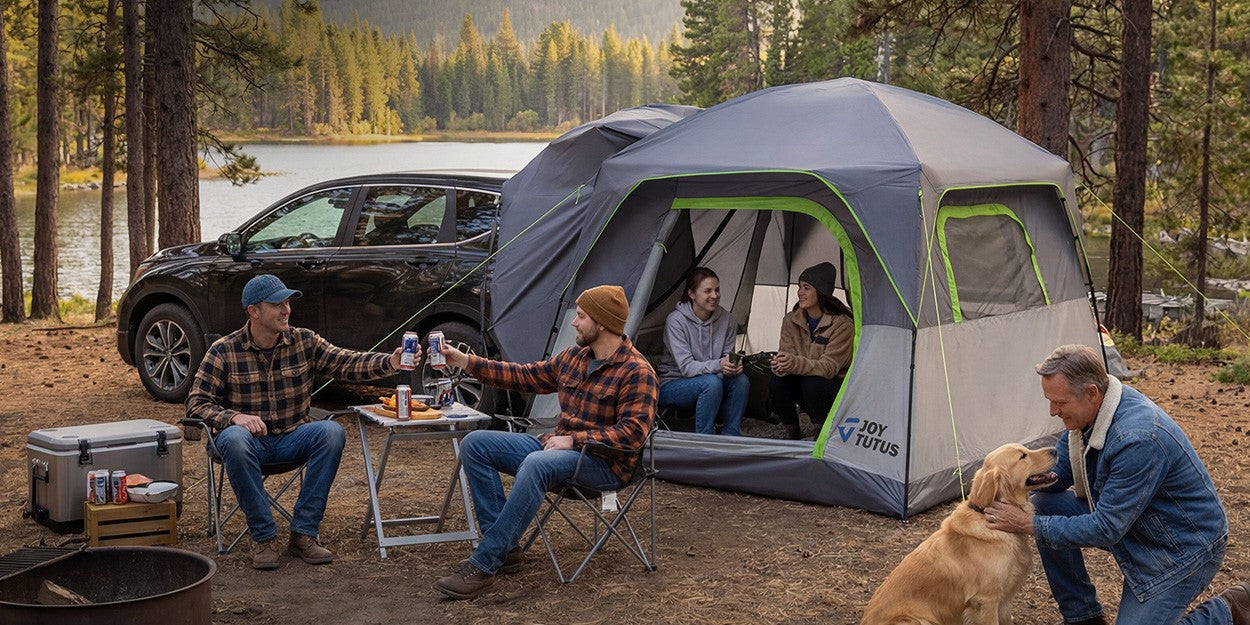
More people are turning their SUVs into a base camp instead of buying a separate ground tent or an RV. That shift has made the search for the best SUV tent one of the most common questions new campers ask, and it is a fair question. Walk through any outdoor store or scroll a few listings online, and the choices start to blur together. Some tents zip onto the hatch. Some pop up in seconds. Some sit on the roof and need a rack rated for the extra weight.
Recent outdoor gear reports back up what dealers are already seeing on the lot. The rooftop tent segment alone was valued at roughly $1.42 billion in 2025 and is projected to keep growing at nearly 9 percent a year through 2034, with hardshell designs now making up close to half of all sales. That growth is driven largely by SUV and truck owners who want a faster, more comfortable way to sleep outdoors without hauling a trailer.
This guide breaks down what separates a good tent from a disappointing one, walks through the main tent styles on the market, and points you toward the right pick for your trip. Here is what we will cover:
- The main styles of SUV tents, along with their pros and cons
- What makes the best SUV tent, from vehicle fit to weather resistance
- Our top picks, including the best SUV tailgate tent and the best hardshell rooftop tent
- Whether an SUV tent is actually worth buying
What Makes the Best SUV Tent?
Before comparing specific products, it helps to know which features actually matter once you are standing at a campsite. A few details decide whether a tent earns its price tag or ends up back in the garage after one trip.
Vehicle Compatibility
A tent is only useful if it fits your car, so check this first. Most SUV tents use a universal sleeve or an adjustable strap system that wraps around the open hatch, which means they work with most SUVs, crossovers, vans, and minivans. Still, the rear opening size varies by vehicle, so compare the listed fitment against your own trunk before ordering. Look for adjustable straps and a sleeve that cinches down tight, since a loose connection is where drafts, bugs, and rain sneak in.
SUV Tent Size and Capacity
Tent capacity numbers are almost always more optimistic than real life, which matters just as much for the best car camping tent as it does for a rooftop model. A tent rated for six people usually gives a family of four the room they actually want, once you add sleeping pads, bags, and gear.
A few things to think through when sizing a tent:
- How many people and pets will actually sleep inside, not just your biggest possible group
- What kind of mattress or sleeping pad you use, since air mattresses eat up floor space fast
- Whether you want a single room or a two-room layout that separates sleeping and living space
Straight-walled tents feel roomier than dome-style tents with the same footprint. If you are choosing between two similar sizes, go one size up. You will never regret the extra room.
Ease of Setup
After a long drive, nobody wants to fight with poles in the dark. Setup time is one of the biggest factors separating a great trip from a frustrating one, and it is worth testing your tent in the driveway before your first real trip so you already know the quirks.
|
Tent Type |
How It Opens |
|
Regular pole-based |
Poles threaded through sleeves by hand |
|
Pop-up |
Spring-loaded poles snap into shape |
|
Air pump fills the frame |
|
|
Automatic instant |
One-touch mechanism |
|
Hardshell rooftop |
Lifts open with gas struts or a one-touch latch |
Weather Resistance
Even fair-weather campers should plan for a surprise storm. Two numbers matter most: the fabric denier, usually written as 150D to 210D for ground tents, and the waterproof coating, measured in millimeters of hydrostatic head. A PU2000 rating is a reasonable baseline for tailgate and standalone tents, while roof tents facing more direct weather often carry PU5000 or higher. Sealed seams and a full-coverage rainfly add up to a tent that keeps you dry instead of just claiming to.
Additional Features
Once size, setup, and weather protection are covered, the smaller details make camping pleasant. Mesh windows cut condensation and keep the tent from feeling stuffy. Interior pockets keep a headlamp within reach at night. A vestibule or awning gives muddy boots and wet gear somewhere to live besides your sleeping bag. None of these are dealbreakers alone, but together they decide whether a tent feels thoughtful or just functional.
Common Styles of SUV Tents: Pros and Cons
SUV tents generally fall into three build styles, and each one solves a different problem. Knowing the tradeoffs before you shop saves you from buying the wrong one.
Tailgate and Awning Tents
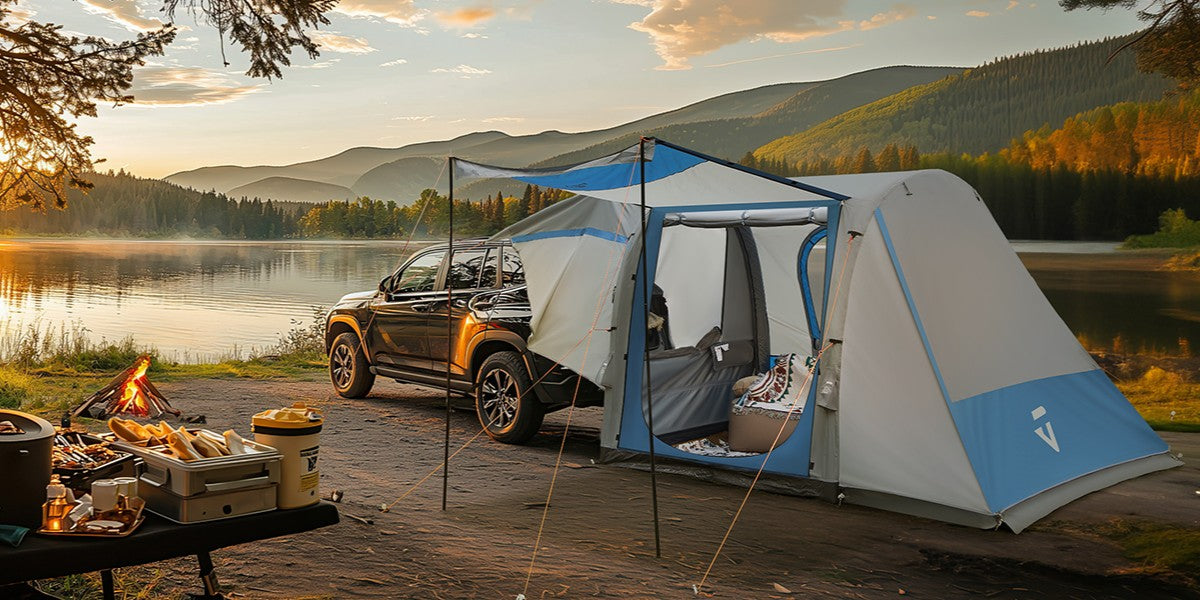
A tailgate tent attaches to your rear hatch with a sleeve or strap system, turning your cargo area into part of the living space. Many double as a freestanding shelter once unclipped, and an SUV awning tent style adds a shaded, open-air section for a table and chairs without fully enclosing it.
|
Pros |
Cons |
|
|
Standalone SUV Tents
These pitch next to the vehicle like a traditional ground tent but are sized to match a car camping footprint, which works well when your campsite layout does not allow a direct hatch connection.
|
Pros |
Cons |
|
|
Hardshell and Soft-Shell Rooftop Tents
A rooftop tent mounts to a roof rack and unfolds into a ready-made sleeping platform above the vehicle. The market splits into soft-shell and hardshell designs, and the difference affects price, weight, and setup speed.
|
Feature |
Soft-Shell Rooftop |
Hardshell Rooftop |
|
Setup time |
3 to 5 minutes |
Under 1 minute |
|
Weight |
Lighter |
Heavier, but more compact folded |
|
Weather resistance |
Good, depends on rainfly |
Very good, rigid shell sheds wind and rain |
|
Best for |
Occasional campers |
Frequent campers and overlanders |
The best hardshell rooftop tent options use aircraft-grade aluminum shells that resist warping, open with a one-touch system, and keep you off wet or uneven ground entirely. The tradeoff is cost and the need for a roof rack rated to handle the added weight. Soft-shell tents cost less and still get you off the ground, with a slightly longer setup. Want to know more about these 2 types of tent? See our comparison guide: soft-shell vs. hard-shell rooftop tents.
Best Joytutus SUV Tents for Every Purpose
Once you know which style fits your camping habits, matching a specific tent to your situation gets easier. Here are Joytutus picks built around the most common reasons people shop for a tent.
Best for Overlanding: Hard Shell Aluminum Rooftop Tent
Built for two to three people who camp often, this is our pick among hardshell rooftop tents.

Features
- Aircraft-grade aluminum shell resists warping and holds up over years of use
- Trapezoidal design adds roughly 30% more usable space than a standard rectangular shell
- One-touch system opens the tent in under a minute
- Mesh skyview roof and built-in LED strip light for after dark
Specs
- Materials: Aircraft-grade aluminum alloy shell
- Capacity: 2 to 3 people
- Waterproof Rating: PU5000, Level 6 wind and snow resistance
- Setup Time: Under 1 minute
- Warranty: 2-year limited
Best SUV Tent with Screen Room: Screen Porch and Awning
For families who want a real living space, this comes closest to a true SUV tent with screen room design in the lineup, and it also stands out as a top pick among tailgate tents.

Features
- Roughly 60% more interior space than a standard tailgate tent
- Bug-free screen porch for cooking and relaxing outside the sleeping area
- Three-sided awning adds extra shaded coverage
- 7-foot center height, so you are not hunched over inside
Specs
- Materials: 210D polyester oxford, PU2000 coating
- Capacity: Up to 5 adults
- Height: 7 ft center height
- Sizes: 2 footprint options available
Best Budget Pick: SUV Tailgate Tent with Rainfly and Double Door
For a simple, dependable setup without extra features, this pole-based tent keeps the price low.

Specs
- Materials: Polyester oxford fabric with rainfly
- Capacity: 4 to 6 adults
- Poles: Aluminum
- Compatibility: SUV, CUV, minivan
Best for Overlanding Families: SUV Tent for 5-9 People, 2-Room Design
This two-room layout separates sleeping and living space, which helps when an overlanding route changes campsites often.

Features
- 144.8 square feet of total space across two rooms
- Detachable canopy adds flexibility at camp
- Dual-use design works attached to the tailgate or fully standalone
- Stargazing mesh roof for clear nights
Specs
- Materials: PU2000 waterproof rainfly, mesh roof panels
- Capacity: 5 to 9 people
- Total Space: 144.8 sq ft
- Compatibility: SUV, CUV, MPV, minivan, Jeep
For more options, browse the best car camping tent guide and the pop-up SUV tent guide. Every model above sits within the full Joytutus SUV tent, where you can compare sizes and fitment side by side. For a deeper look at tailgate builds, the SUV tailgate tent guide covers construction types in detail.
Are SUV Tents Worth It?
There is no single right answer here. It depends on how often you camp, how you use your vehicle, and what you are comparing it against.
An SUV tent is worth considering if:
- You already own an SUV, CUV, or minivan and want more space without buying a separate ground tent or a trailer
- You camp a few times a season and want faster setup than a traditional tent
- You want a shaded or bug-free area to cook, relax, or store gear right next to your vehicle
- You are building toward overlanding and want a sleeping setup that keeps you off wet or uneven ground
It may not be ideal if:
- You need to drive away from camp during the day and don't want to break down your shelter, in which case a standalone or detachable tailgate design is a better fit than a rooftop model
- Your vehicle's roof rack is not rated for the added weight of a hardshell tent
- You camp solo most of the time and a lighter backpacking tent already covers your needs, and you sleep in the car interior, you just need a mattress.
- You are not ready to budget for the higher cost of a hardshell rooftop system and a basic ground tent still works fine for your trips
For most SUV owners, the value comes down to matching the tent to actual habits rather than buying the biggest or fanciest option available. A tailgate tent earns its cost quickly for occasional trips, while a hardshell rooftop tent pays off for anyone who moves camp often.
Conclusion
Finding the best SUV tent is less about chasing the highest-rated product online and more about matching a tent's build style, size, and weather protection to how you actually camp. A tailgate tent is the easiest, most affordable way to start. A hardshell rooftop tent rewards frequent campers and overlanders with speed and comfort. Whatever style fits your trips, check the fabric, waterproof rating, and vehicle fitment before you buy, since those three details decide how the tent performs once you are miles from home. Browse the full Joytutus tent lineup to compare options, or visit Joytutus to see the rest of the automotive travel products built for SUV owners.
FAQs
Q1: Do I need a roof rack for a rooftop SUV tent?
A: Yes, almost always. Rooftop tents are heavy enough that they need a roof rack and crossbars rated to hold the tent's weight plus everyone sleeping inside. Check both the static and dynamic weight ratings before you buy.
Q2: Can a tailgate tent be used without attaching it to my car?
A: Most tailgate tents, including Joytutus screen porch and inflatable models, can be staked out and used as a freestanding shelter, so you are not stuck if you park somewhere the hatch cannot reach.
Q3: Will an SUV tent fit my crossover or minivan?
A: Many SUV tents fit SUVs, CUVs, and minivans, but the rear opening size still varies by model. Always check the listed fitment measurements against your vehicle before ordering.
Q4: How much should I expect to spend on a good SUV tent?
A: Tailgate and standalone tents generally run between $100 and $300, while hardshell rooftop tents cost more due to the aluminum shell and mounting hardware. Set your budget around how often you will actually use the tent, not just the lowest price you can find.

Leave a comment
All comments are moderated before being published.
This site is protected by hCaptcha and the hCaptcha Privacy Policy and Terms of Service apply.